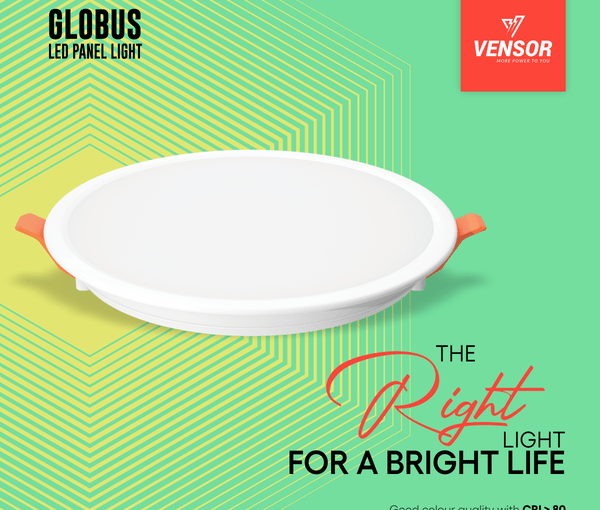
What are the Facts about LEDs ?

An LED is a light-emitting diode, a  semiconductor appliance that brings bright light when exposed to a high voltage electric current. LEDs are used as a power lamp in many electronic devices, as rear-window and brake lights in automobiles, and as alphanumeric displays or even full-color posters on billboards and signs. Infrared LEDs are used as light sources in fiber-optic telecommunication systems, as well as autofocus cameras and television remote controls.

Today most energy-efficient and rapidly developing lighting technology is the light-emitting diode (LED). Quality LED light bulbs to outlast other types of lighting, are more durable, and provide comparable or better light quality. To learn more, read the top facts you didn’t know about LEDs.

How LED work

The lightbulb emits light via incandescence, a phenomenon in which an electric current heats a wire filament, causing the wire to emit photons, the basic energy packets of light. LEDs work through electroluminescence, a phenomenon in which photons are emitted as a result of the electronic excitation of a material.

LED Lighting Products

LED lighting is now accessible in a broad expanse of home and industrial products, and the catalog is broadening at all periods. LED technology’s rapid advancement has resulted in increased product availability, improved manufacturing efficiency, and lower prices.

 As a pioneer in the LED revolution in India, Vensor is always anxious to ascertain a channel exclusively for our premium LED products. We now have committed areas where our entire LED range, including popular bestsellers, specialty products, and recent innovations, will be set for the public. Our top-quality LEDs are made with premium quality material at the best and reasonable price.

Let us come together to witness the future of light!
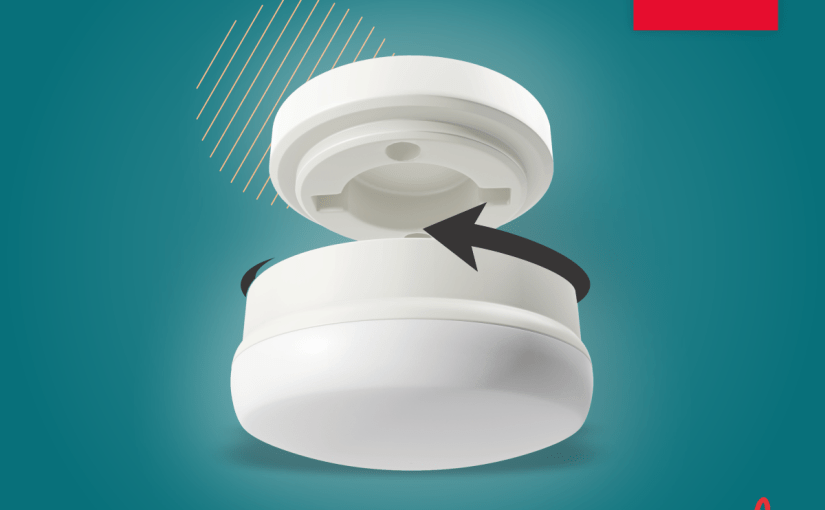
Benefits of LED bulbs- Why to choose an LED bulb?

LEDs have skimmed the traditional lighting product marketbecause of many reasons most importantly their extensivelifespan, lessenedpower consumption, and lesscare needed. As the purchase price of lights and appliancesproceeds to fall, more and more upgradesfor lighting systems with LEDsare considered, given their numerousadvantages compared to traditional methods.

Energy conservation

LED lights use roughly 50% less power than the traditionallighting, fluorescent, and halogen options giving rise to crucial energy cost savings, especially in areas where lights are left on for expanded periods of time. LEDs also direct light in a particular direction, as opposed to traditional bulbs, which emit light in all directions. This directional lighting capability decreasespower and energy waste.

Durability 

As they do not possess filaments and glass compartments, LEDs are breakage reluctant and primarilyresistant to, vibrations and other concussions. Old lighting was usually encompassed in a glass or quartz covering, which can be morevulnerable to damage. LEDs, on the other hand, do notutilize any glass, instead they are ascended on a circuit board and pertained with soldered leads that can be susceptible to direct impact, but not more than normal electronic devices.

Instant-on 

Almost all fluorescent and lamps do not furnish full illuminationwhen they are switched on, with many bulbs requiring 3 minutes or more to reach maximum light output. LEDs come on at 100% brightness almost instantly with low striking delays.

Lifetime extension

LEDs, unlike incandescent lighting, do not fail when burned for longer time; they simply dim over time. Good quality LED’s have a life period of thirty to fifty thousand hours, or even lengthy, relying on the lamp or fixture. A typical bulb has a lifespan of about one thousand hours, whereas a comparable to a LED.